What if the most powerful anti-aging step in your routine is the one you skip before breakfast?
Daily sunscreen is not just for beach days-it is your skin’s frontline defense against UV damage, premature fine lines, dark spots, and dullness.
The right morning routine helps sunscreen work better, feel better, and fit seamlessly under makeup or on bare skin.
In this guide, you’ll learn how to build a simple, dermatologist-smart daily sunscreen routine for healthier-looking skin every day.
Why Daily Sunscreen Is the Foundation of Healthy-Looking Skin
Daily sunscreen is not just a summer product; it is the lowest-effort step that protects the results of your entire skincare routine. Expensive vitamin C serums, retinol creams, laser treatments, and anti-aging skincare products work better when your skin is not constantly fighting UV damage.
Broad-spectrum SPF helps reduce the visible effects of sun exposure, including dark spots, uneven tone, fine lines, and dullness. In real life, this matters even on “indoor” days-UVA rays can pass through windows, so someone working near a bright office window or driving during lunch can still get daily exposure.
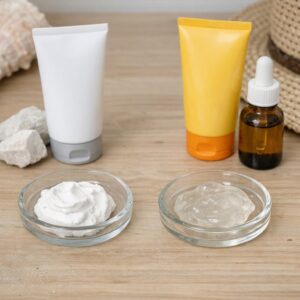
A practical daily sunscreen routine should focus on consistency, not perfection. Choose a dermatologist-recommended sunscreen that matches your skin type and lifestyle:
- Oily or acne-prone skin: look for oil-free, non-comedogenic gel or fluid formulas.
- Dry or mature skin: consider moisturizing SPF with ceramides, glycerin, or hyaluronic acid.
- Outdoor or active days: use water-resistant SPF and reapply more often.
One helpful tool is the UVLens app, which shows the UV index by location and time of day. It is useful for deciding when reapplication matters most, especially if you commute, exercise outside, or spend weekends at the beach, park, or golf course.
The real benefit is financial as well as cosmetic. A reliable daily face sunscreen can help protect your investment in professional skincare services, cosmetic dermatology treatments, and premium skin care products by preventing avoidable sun-related damage.
How to Build a Morning Sunscreen Routine That Works Under Skincare and Makeup
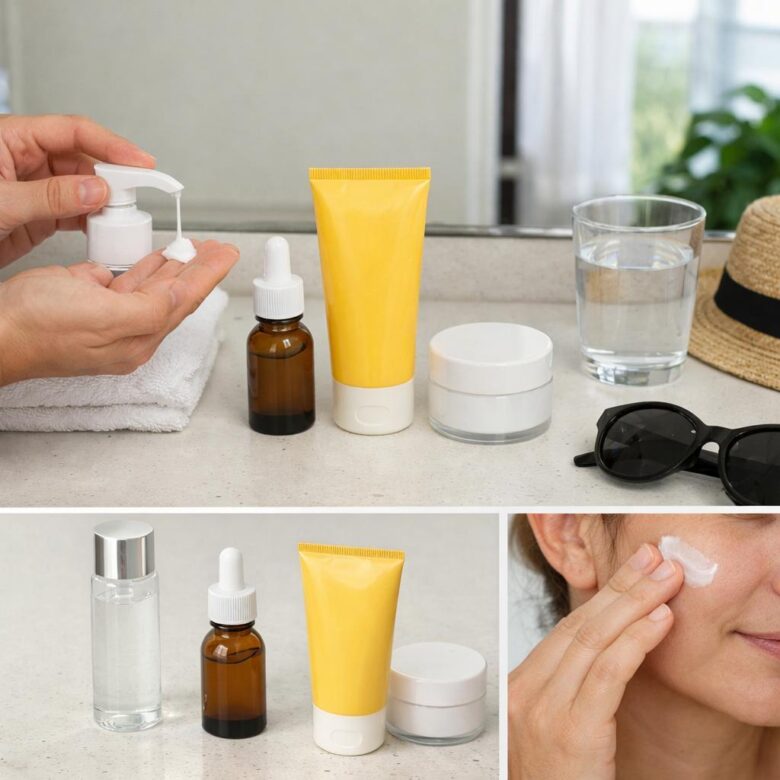
A reliable morning sunscreen routine starts with the thinnest skincare products and ends with broad-spectrum SPF 30 or higher. After cleansing, apply antioxidant serum, lightweight moisturizer if needed, then daily facial sunscreen as the final skincare step before makeup. Give each layer a minute to settle so your foundation does not pill or slide.
For office days, a sheer chemical sunscreen or hydrating SPF moisturizer usually sits better under makeup. If you have sensitive skin, melasma, or post-treatment redness, a mineral sunscreen with zinc oxide may be worth the higher cost because it is often less irritating and can add visible-light protection when tinted.
- Dry skin: use a ceramide moisturizer before SPF to prevent patchy concealer.
- Oily skin: choose oil-free, non-comedogenic sunscreen with a soft-matte finish.
- Makeup wearers: wait 5 minutes before primer or foundation for a smoother base.
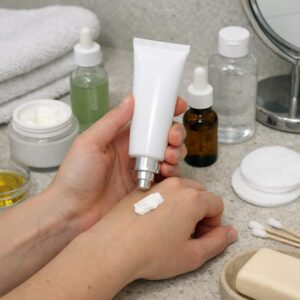
A real-world example: if you commute, sit near a window, and wear makeup, apply two finger-lengths of sunscreen to your face and neck, then use a sponge only for foundation-not to blend the SPF. I often see sunscreen fail because people treat it like primer and apply a pea-sized amount. That is not enough.
For reapplication, keep a sunscreen stick, SPF powder, or mist in your bag, especially for outdoor lunches or driving. Apps like UVLens can help you check UV levels before leaving home, which is useful when deciding whether you need extra sun protection tools like sunglasses, a UPF hat, or car window tinting.
Common Sunscreen Mistakes That Reduce Protection-and How to Fix Them
One of the biggest mistakes is using too little sunscreen. For the face and neck, most adults need about two finger lengths of product, not a pea-sized amount. If your SPF 50 moisturizer lasts six months with daily use, you are probably under-applying and getting far less broad-spectrum UVA/UVB protection than the label suggests.
Another common issue is applying sunscreen only before leaving home and never reapplying. Sunscreen breaks down with sweat, oil, rubbing, and sun exposure, especially during driving, outdoor workouts, beach days, or lunch on a patio. A sunscreen stick, powder SPF, or travel-size mineral sunscreen can make reapplication easier without ruining makeup.
- Skipping cloudy days: UVA rays still pass through clouds and windows, contributing to dark spots, premature aging, and uneven skin tone.
- Relying on makeup SPF: Foundation with SPF is helpful, but most people do not apply enough to replace a dedicated facial sunscreen.
- Forgetting high-risk areas: Ears, eyelids, hairline, lips, neck, and the backs of hands are easy to miss.
A practical fix is to check the UV index each morning using UVLens or your weather app, then plan your sunscreen routine around your actual exposure. For example, if you commute near a window and walk outside at lunch, keep a compact SPF product in your bag or car console. Small habits matter more than buying the most expensive sunscreen.
The Bottom Line on Best Daily Sunscreen Routine for Healthy-Looking Skin
A strong sunscreen routine is less about perfection and more about consistency. Choose a broad-spectrum SPF 30 or higher that suits your skin type, feels comfortable enough to wear daily, and fits easily into your morning routine.
The best decision: pick a sunscreen you will actually reapply when needed, especially during extended outdoor exposure. If your skin is sensitive, acne-prone, dry, or mature, let texture and ingredients guide your choice. Daily protection is one of the simplest, most effective habits for maintaining healthy-looking skin over time.