What if the “miracle” anti-aging ingredient in your bathroom is irritating your skin simply because you started too fast?
Retinol can smooth texture, soften fine lines, clear clogged pores, and brighten dullness-but beginners often quit before seeing results because of dryness, peeling, or stinging.
The good news: irritation isn’t a requirement. With the right strength, schedule, moisturizer, and sunscreen habits, retinol can become one of the most effective products in your routine.
This guide will show you how to start retinol slowly, avoid common mistakes, and build tolerance without wrecking your skin barrier.
What Retinol Does for Beginner Skin: Benefits, Strengths, and Irritation Risks
Retinol is a vitamin A derivative used in anti-aging skincare and acne treatment because it helps speed up cell turnover and supports collagen production. For beginners, the visible benefits usually include smoother texture, fewer clogged pores, softer fine lines, and a brighter-looking tone over time. It is not an overnight fix, but consistent use can make skin look more refined without needing expensive in-office treatments.
The biggest mistake I see with beginner retinol routines is starting too strong. A 0.2% to 0.3% retinol serum or cream is usually a smarter entry point than jumping straight to 1%, especially if you have dry, sensitive, or barrier-damaged skin. For example, someone using exfoliating acids, acne medication, and retinol on the same night may end up with burning, peeling, and redness instead of better skin.
- Low strength: best for sensitive skin, first-time users, or a damaged skin barrier.
- Medium strength: useful once your skin tolerates retinol without stinging or flaking.
- Higher strength: better saved for experienced users or after advice from a dermatologist.
Irritation risk depends on your skin type, product formula, and how often you apply it. A moisturizer from a barrier-supporting brand like CeraVe can help reduce dryness when used before or after retinol. If your skin feels tight, shiny, or sore, pause for a few nights; that is often your skin telling you the routine is moving too fast.
How to Start Retinol Safely: Frequency, Amount, Layering, and Moisturizer Pairing
Start retinol slowly, even if your skin usually tolerates strong skin care products. For most beginners, applying retinol 2 nights per week for the first 2-3 weeks is enough; if there is no burning, peeling, or tightness, move to every other night. More is not better here.
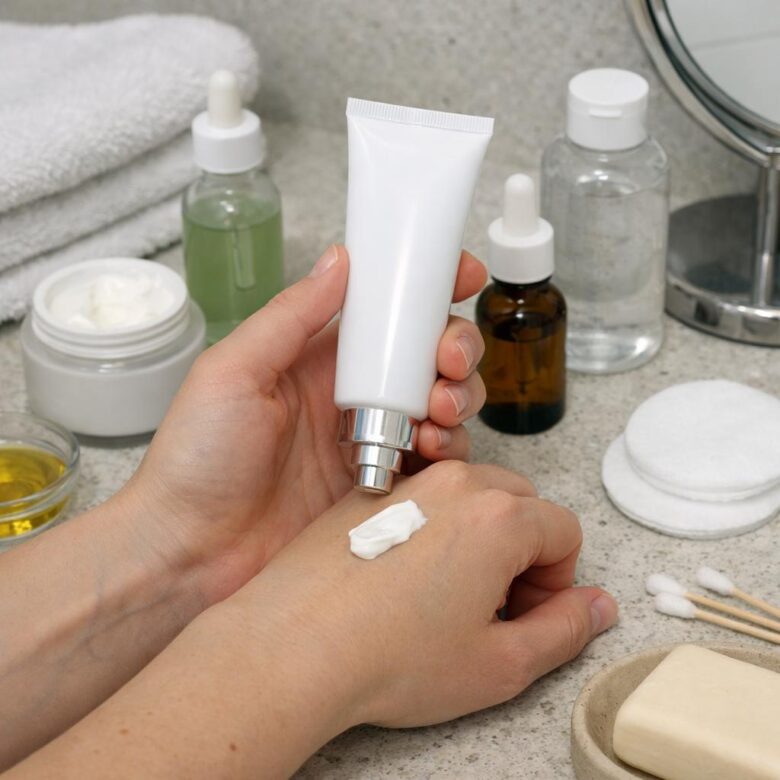
Use a pea-sized amount for your entire face, not a pea for each area. Dot it on the forehead, cheeks, and chin, then spread a thin layer while avoiding the corners of the nose, lips, and under-eye crease. In real life, many irritation problems come from using too much product, not from retinol itself.
- Cleanser: use a gentle, non-scrubbing face wash.
- Moisturizer: apply before and after retinol if your skin is dry or sensitive.
- Sunscreen: use broad-spectrum SPF every morning, tracked with an app like UVLens if you forget.
The “moisturizer sandwich” method is helpful for beginners: cleanse, apply moisturizer, wait a few minutes, apply retinol, then seal with another thin layer of moisturizer. Look for barrier-supporting ingredients like ceramides, glycerin, niacinamide, or hyaluronic acid, especially if you are using anti-aging treatment products.
For example, someone starting a 0.3% over-the-counter retinol might use it Monday and Thursday night with a ceramide moisturizer, then review their skin after two weeks. If irritation continues despite reducing frequency, pause and consider a dermatologist visit before switching to stronger options like prescription tretinoin.
Common Retinol Mistakes to Avoid: Overuse, Mixing Actives, and Skipping Sunscreen
One of the biggest beginner mistakes is using retinol too often, too soon. More retinol does not mean faster anti-aging results; it usually means dryness, peeling, stinging, and a damaged skin barrier that can make your skin care routine more expensive to fix.
A practical rule: start with a pea-sized amount two nights a week, then increase only if your skin feels calm. For example, if your cheeks burn when applying moisturizer the next morning, that is a sign to pause retinol and focus on barrier repair with a gentle cleanser, ceramide moisturizer, and fragrance-free sunscreen.
Another common issue is mixing too many active ingredients in one routine. Retinol can be effective for fine lines, acne treatment, uneven texture, and hyperpigmentation, but pairing it with strong exfoliating acids or benzoyl peroxide on the same night can trigger irritation.
- Avoid using retinol with glycolic acid, lactic acid, or salicylic acid at first.
- Use vitamin C in the morning and retinol at night if your skin tolerates both.
- Ask a dermatologist before combining retinol with prescription retinoids like tretinoin.
Skipping sunscreen is the mistake that can undo your progress. Retinol may make skin more sensitive to UV exposure, so a broad-spectrum SPF 30 or higher is not optional, especially if you are using retinol for dark spots or anti-aging benefits.
A helpful tool is the UV Index on the Apple Weather app, which can remind you when sun protection matters most. In real life, even “quick errands” or driving near a window can add up, so keep sunscreen near your toothbrush or makeup bag to make daily use automatic.
The Bottom Line on Retinol for Beginners: How to Start Without Irritating Your Skin
Retinol works best when you treat it as a long-term skin investment, not a quick fix. The smartest approach is to start low, apply it sparingly, and protect your skin barrier as carefully as you treat your concerns.
- Choose retinol if you want gradual improvement in texture, fine lines, clogged pores, or uneven tone.
- Pause or reduce use if irritation lasts, your skin stings, or dryness becomes uncomfortable.
- See a dermatologist if you have sensitive skin, acne, rosacea, or want stronger prescription options.
Consistency matters more than strength. Gentle, steady use is what delivers results.