Is your vitamin C serum brightening your skin-or quietly wasting your money?
Vitamin C is one of the most researched skincare ingredients for dullness, dark spots, uneven tone, and antioxidant protection, but it only works well when the formula, timing, and application are right.
Use the wrong concentration, layer it with the wrong products, or store it poorly, and that expensive serum can oxidize, irritate your skin, or deliver little benefit.
This guide breaks down what vitamin C serum actually does, the most common mistakes to avoid, and the best time to use it for healthier, brighter-looking skin.
What Vitamin C Serum Does for Skin: Brightening, Collagen Support, and Antioxidant Protection
Vitamin C serum is mainly used to improve uneven skin tone, support firmer-looking skin, and protect against daily environmental stress. In real life, it is especially helpful for people dealing with dullness, post-acne marks, sun spots, or early signs of aging from UV exposure and pollution.
For brightening, vitamin C helps reduce the appearance of hyperpigmentation by interfering with excess melanin production. For example, someone with brown marks left after breakouts may notice their skin looks more even after consistent morning use, especially when paired with a broad-spectrum sunscreen.
- Brightening: Helps fade the look of dark spots, acne marks, and uneven tone.
- Collagen support: Supports skin firmness by playing a role in normal collagen production.
- Antioxidant protection: Helps defend skin against free radicals from UV rays, smoke, and pollution.
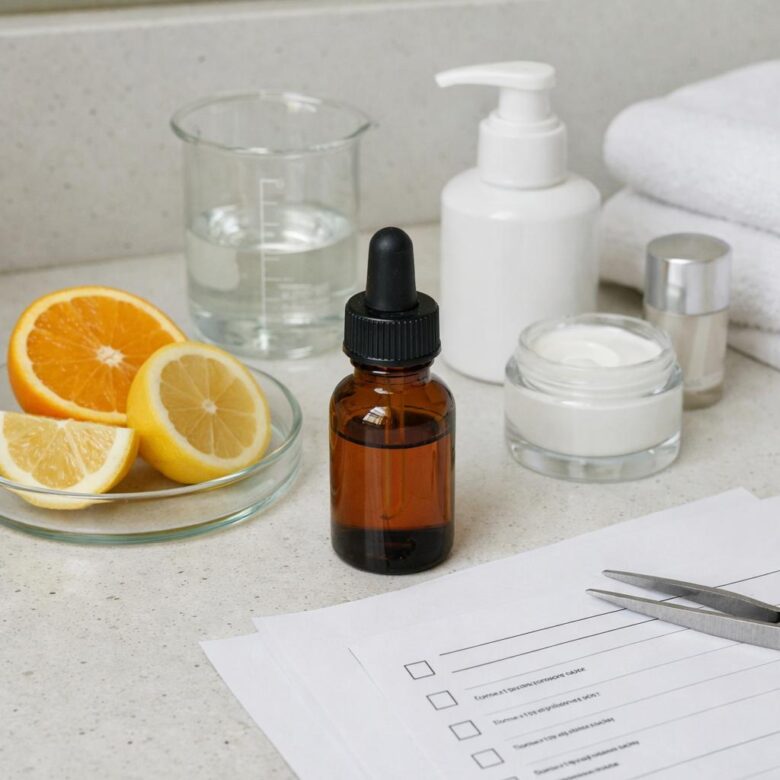
A practical tip: choose formulas in dark or airless packaging because vitamin C can oxidize when exposed to light and air. If a serum turns deep orange or brown, it may be less effective and more likely to irritate sensitive skin.
In dermatology clinics, tools like VISIA Skin Analysis are often used to track pigmentation, sun damage, and texture changes over time. You do not need a device at home, but taking monthly photos in the same lighting can help you judge whether your vitamin C serum is actually delivering visible benefits.
When and How to Use Vitamin C Serum in Your Morning Skincare Routine
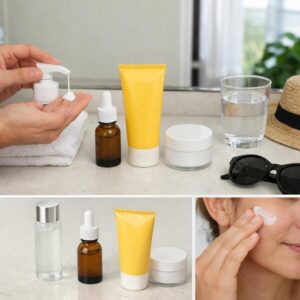
Vitamin C serum is usually best used in the morning because it helps support antioxidant protection against pollution, UV exposure, and daily environmental stress. Apply it after cleansing and before moisturizer, so the active ingredients can sit close to the skin rather than being blocked by heavier creams.
A simple morning skincare routine looks like this:
- Cleanser, then pat skin dry
- Vitamin C serum, using 2-4 drops for the face and neck
- Moisturizer, followed by broad-spectrum sunscreen SPF 30 or higher
If you use a stronger formula, such as L-ascorbic acid, start three mornings a week and increase only if your skin feels comfortable. In real life, people often overuse expensive anti-aging skincare products too quickly, then blame the serum when the real issue is irritation from layering too many actives.
For example, if you check your routine in an app like Think Dirty or INCI Beauty, look for potential irritants such as fragrance, high alcohol content, or too many exfoliating acids in the same morning routine. This is especially useful if you have sensitive skin, acne-prone skin, or are comparing the cost and benefits of different dermatologist-recommended vitamin C serums.
One important rule: vitamin C does not replace sunscreen. It works best as a support step under SPF, especially if your skincare goals include brighter skin, fewer dark spots, and better protection against premature aging.
Common Vitamin C Serum Mistakes: Layering Errors, Irritation, and Storage Problems
One of the biggest vitamin C serum mistakes is layering it with too many active ingredients at once. If you apply L-ascorbic acid, retinol, exfoliating acids, and acne treatment products in the same routine, your skin barrier may react with stinging, redness, peeling, or breakouts that look like “purging” but are actually irritation.
A practical rule: use vitamin C in the morning under moisturizer and broad-spectrum sunscreen, then save retinol or stronger chemical exfoliants for your nighttime skincare routine. For example, someone using a 15% vitamin C serum, glycolic acid toner, and prescription tretinoin may do better by alternating nights and keeping mornings simple.
- Layering error: applying vitamin C after heavy oils or thick creams, which can reduce absorption.
- Irritation trigger: starting with a high-strength formula before your skin has adjusted.
- Storage problem: keeping the bottle in a hot bathroom or near a sunny window.
Storage matters because vitamin C can oxidize, especially in clear bottles or unstable formulas. If your serum turns dark orange or brown, smells metallic, or feels unusually sticky, it may be time to replace it; checking ingredients on tools like INCIDecoder can help you understand the formula before spending more money on premium skincare products.
Choose airless pumps or dark glass bottles, close the cap tightly, and store the serum in a cool drawer. If your skin is sensitive, look for gentler vitamin C derivatives or ask a dermatologist before combining it with acne medication, laser treatment aftercare, or other high-cost skin care treatments.
The Bottom Line on Vitamin C Serum Guide: Benefits, Mistakes, and When to Use It
Vitamin C serum is most effective when it fits your skin, not just your routine. Choose a stable formula, start slowly, and use it consistently in the morning with sunscreen for the best visible results.
- If your skin is sensitive, begin with a lower concentration or gentler derivative.
- If dullness, uneven tone, or early signs of aging are your main concerns, vitamin C is a smart addition.
- If irritation persists, pause use and reassess the formula, frequency, or supporting products.
The right vitamin C serum should make your routine simpler, not harsher.