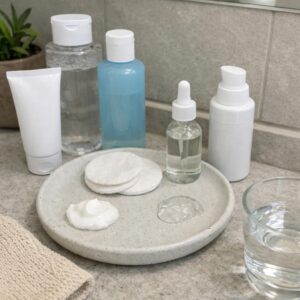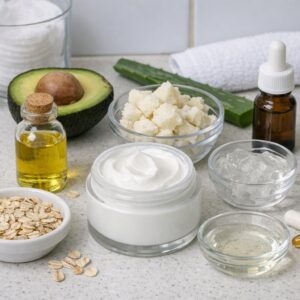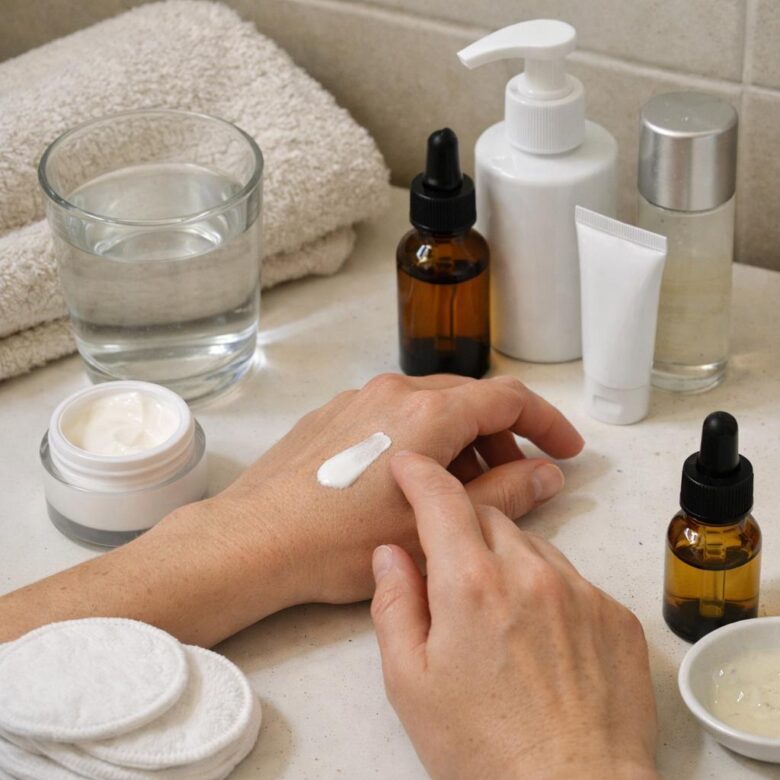
Your skin barrier doesn’t need a 12-step rescue plan-it needs you to stop overwhelming it.
When your face feels tight, stings after basic products, flakes for no clear reason, or looks red and irritated, your barrier may be compromised. The good news: repairing it is usually less about adding more and more about simplifying with intention.
A healthy skin barrier keeps moisture in, irritants out, and your complexion calmer, smoother, and more resilient. But harsh actives, over-cleansing, exfoliating too often, and constantly switching products can quietly weaken it.
This guide breaks down how to repair your skin barrier with a simple, realistic routine-no panic-buying, no complicated layering, and no guesswork.
What a Damaged Skin Barrier Looks Like-and Why Simplicity Helps It Heal
A damaged skin barrier often looks like redness, tightness, flaking, burning after moisturizer, sudden sensitivity, or breakouts that feel more irritated than oily. Many people notice it after using too many exfoliating acids, retinol products, acne treatments, or “brightening” serums at the same time. If your usual cleanser suddenly stings, that is a strong sign your barrier needs a break.
In real life, I see this most often when someone adds a new vitamin C serum, prescription acne cream, and exfoliating toner within the same week. The skin becomes reactive, so they buy more products to fix it, which usually makes the cycle worse. Simplicity helps because the skin barrier repairs best when you reduce inflammation and give it consistent support.
- Use a gentle, non-foaming cleanser or rinse with water in the morning.
- Apply a ceramide moisturizer to support dry, sensitive skin.
- Wear broad-spectrum sunscreen daily to prevent extra irritation and repair delays.
A helpful tool is INCIDecoder, which lets you check ingredient lists before buying skincare products, especially if you are avoiding fragrance, drying alcohols, or strong exfoliants. This can save money and reduce trial-and-error with expensive sensitive skin products, barrier repair creams, or dermatologist-recommended moisturizers.
The goal is not to stop skincare forever. It is to pause the high-risk steps, keep the routine boring for a while, and let your skin feel calm, flexible, and comfortable again before reintroducing active ingredients slowly.
The Minimal Skin Barrier Repair Routine: Cleanse Gently, Moisturize Deeply, Protect Daily
A damaged skin barrier does not need a 10-step skincare routine. In fact, the fastest way to calm dryness, stinging, redness, and tightness is usually to remove the “extras” and focus on three basics: a gentle cleanser, a barrier-repair moisturizer, and daily sunscreen.
Start with a non-foaming or low-foam cleanser, especially if your face feels squeaky clean after washing. That tight feeling is often a sign your cleanser is stripping too much oil. A real-world example: someone using exfoliating toner, vitamin C, retinol, and acne spot treatment at once may improve faster by pausing actives for two weeks and switching to a cream cleanser plus a ceramide moisturizer.
- Cleanse: Use lukewarm water and a fragrance-free cleanser once at night; rinse with water in the morning if your skin is very dry.
- Moisturize: Look for ceramides, glycerin, panthenol, squalane, or petrolatum to reduce water loss and support skin barrier repair.
- Protect: Apply broad-spectrum SPF 30+ every morning, even indoors if you sit near windows or use acne treatments.
If you are unsure what is triggering irritation, use a skin diary in Google Keep or the Skin Bliss app to track products, flare-ups, and weather changes. This is surprisingly useful before booking a dermatologist consultation, because patterns often appear within days.
Keep the routine boring. Once your skin feels comfortable for at least two weeks, reintroduce active ingredients slowly-one product at a time, two or three nights per week-so you can see what your barrier actually tolerates.
Common Skin Barrier Repair Mistakes That Keep Redness, Dryness, and Stinging Going
One of the biggest mistakes is treating a damaged skin barrier like a breakout problem. When your face is burning, tight, or flaky, adding acne treatments, exfoliating acids, or “brightening” serums usually makes inflammation worse, even if the product is expensive or dermatologist-recommended.
I often see this with people who use a glycolic acid toner, retinol serum, and vitamin C because their skin looks dull, then wonder why their moisturizer suddenly stings. In that situation, the smarter move is to pause active ingredients and use a simple barrier repair cream with ceramides, glycerin, petrolatum, or panthenol for at least a few days.
- Over-cleansing: Washing twice with foaming cleanser can strip lipids, especially in winter or after acne medication.
- Switching products too fast: Trying a new moisturizer every two nights makes it hard to know what is helping or irritating.
- Skipping sunscreen: UV exposure keeps redness active and can slow visible skin barrier recovery.
Another common issue is trusting “clean beauty” labels instead of the ingredient list. Fragrance, essential oils, and strong botanical extracts can still trigger stinging, so check formulas with a tool like INCIDecoder before buying another sensitive skin product.
If redness is persistent, patchy, or comes with swelling, a dermatologist visit or online dermatology consultation may save money compared with buying multiple repair creams that do not match the problem. Sometimes what looks like barrier damage is rosacea, eczema, contact dermatitis, or irritation from prescription acne treatment.
Expert Verdict on How to Repair Your Skin Barrier Without Overcomplicating Your Routine
Repairing your skin barrier is less about doing more and more about choosing what your skin can tolerate consistently. If your skin feels tight, reactive, flaky, or stings easily, simplify first: use a gentle cleanser, a barrier-supporting moisturizer, and daily sunscreen.
The best decision is to pause strong actives until your skin feels calm again. Then reintroduce products slowly, one at a time, so you can identify what helps and what causes setbacks. A simple routine done patiently will restore comfort, resilience, and balance far better than an overloaded shelf.