Last updated: June 8, 2026
Why I Used to Skip Sunscreen — And How I Fixed It
For most of my twenties, sunscreen was optional. I applied it on beach days and skipped it everywhere else. My morning routine was cleanser, moisturizer, makeup, done. The idea that UV rays could damage my skin through office windows or during a ten-minute commute seemed exaggerated. Then I noticed a cluster of dark spots on my left cheek and a fine line between my eyebrows that had not been there the year before.
A dermatologist visit confirmed what I had ignored: cumulative daily UV exposure, even incidental, was accelerating visible aging and pigmentation. The damage was not dramatic, but it was real. And it was preventable. That appointment changed my relationship with sunscreen from occasional to non-negotiable.
This guide is what I built over the following two years: a daily sunscreen routine that is simple enough to maintain, effective enough to trust, and comfortable enough that I actually want to wear it.
Why Daily Sunscreen Matters More Than Any Serum
Expensive vitamin C serums, retinoids, and peptide creams cannot fully counteract unprotected UV exposure. Sunscreen is the only skincare product that prevents damage rather than repairing it. Without it, every other investment in your routine is partially wasted.
UVA rays penetrate clouds and glass. They reach your skin during commutes, near office windows, and on overcast days. UVB rays cause burning and are strongest midday. Both contribute to collagen breakdown, dark spots, and uneven texture. A broad-spectrum sunscreen that blocks both is the foundation of any routine that claims to target aging or pigmentation.
I noticed the difference in my own skin within six months of consistent daily use. The dark spots on my cheek stopped darkening. New ones did not appear. My skin tone looked more uniform, and the texture felt smoother. These were not dramatic transformations, but they were steady improvements that no serum had produced on its own.
How to Choose a Sunscreen You Will Actually Wear
The best sunscreen is the one you use every day. Efficacy on the label means nothing if the texture, smell, or white cast makes you leave it in the drawer. Here is what I look for now:
Broad-Spectrum SPF 30 or Higher
SPF thirty blocks approximately ninety-seven percent of UVB rays. SPF fifty blocks about ninety-eight percent. The difference is marginal, and higher SPF often comes with heavier formulas that feel less comfortable. I use SPF thirty for daily wear and SPF fifty for outdoor activities or extended sun exposure.
Texture That Matches Your Skin Type
I have combination skin that leans dry in winter and slightly oily in summer. My sunscreen wardrobe changes seasonally:
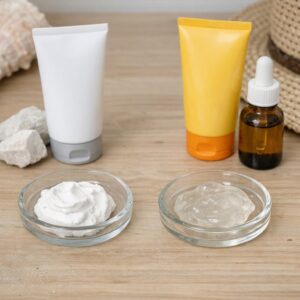
- Winter: A hydrating mineral SPF cream with ceramides and glycerin. It doubles as my morning moisturizer.
- Summer: A lightweight mineral fluid with a soft matte finish. It sits well under makeup and does not feel heavy in humidity.
- Outdoor days: A water-resistant chemical SPF gel that reapplies smoothly over sweat.
If you have very oily skin, gel or fluid formulas with a matte finish are usually more comfortable. If you have dry skin, cream-based SPF with added hydrators prevents the tightness that makes people skip sunscreen.
No Fragrance or Drying Alcohols
Fragrance in sunscreen is a common trigger for irritation, especially around the eyes. Denatured alcohol can feel refreshing initially but strips the barrier over time. I now read ingredient lists before buying and avoid both. The mineral formulas I use are fragrance-free and alcohol-free, which is why I can apply them to my eyelids without stinging.
Tinted Options for Darker Skin Tones
Untinted mineral sunscreens can leave a white or gray cast on deeper skin tones. Tinted mineral formulas with iron oxides blend invisibly and may offer additional protection against visible light, which is linked to hyperpigmentation and melasma. If you have struggled with mineral sunscreen because of cast, a tinted version is worth trying before writing off the category entirely.
My Morning Sunscreen Routine Step by Step
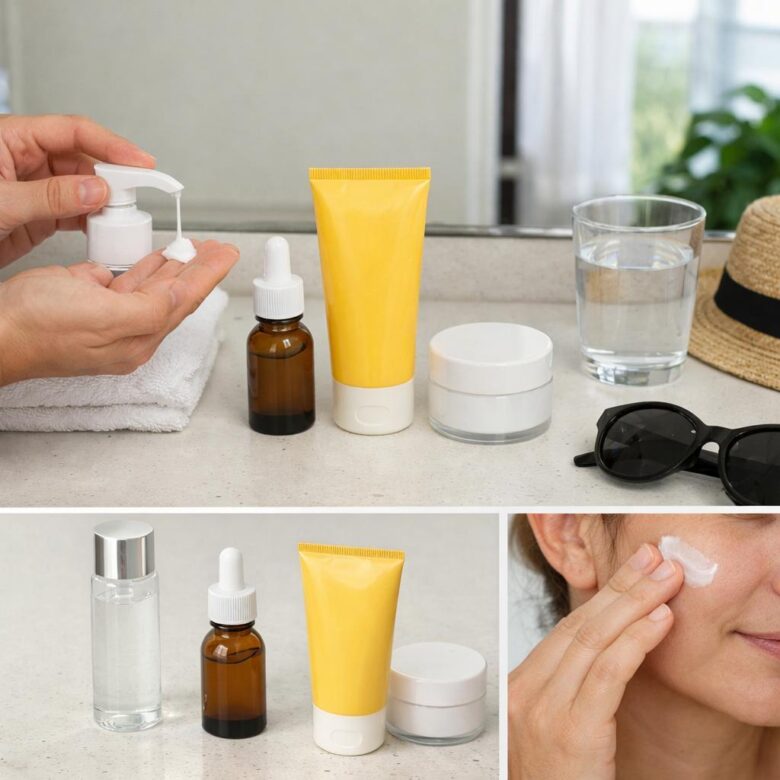
This is the routine I follow every weekday morning. It takes about six minutes and has become automatic.
Step 1: Cleanse or Rinse
I rinse with lukewarm water. If I used a night treatment, I use a gentle cream cleanser. The goal is a clean base without stripping.
Step 2: Apply Treatment Serum (If Using)
On mornings when I use vitamin C or niacinamide, I apply it now and wait three to five minutes. If I am keeping it minimal, I skip this step entirely. Sunscreen is the priority.
Step 3: Moisturizer (If Needed)
In winter, I use a separate moisturizer before sunscreen. In summer, my mineral SPF fluid is hydrating enough on its own. This step is flexible based on what your skin needs that day.
Step 4: Apply Sunscreen Generously
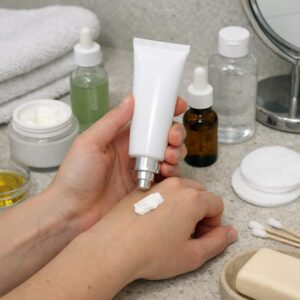
This is the critical step. I use two finger-lengths of sunscreen for my face and neck. Not a pea-sized amount. Two full strips from base to tip of my index and middle fingers. I dot it across my forehead, cheeks, nose, chin, jawline, and neck, then spread evenly. I apply to my ears, the back of my neck, and my chest if my neckline is exposed.
I wait five minutes before applying makeup or leaving the house. This allows the sunscreen film to set and reduces pilling under foundation.
Step 5: Reapply When Necessary
For a standard office day with minimal outdoor time, I do not reapply. For outdoor lunches, long walks, or beach days, I reapply every two hours. I keep a sunscreen stick in my bag for touch-ups over makeup without disturbing it.
Common Application Mistakes That Reduce Protection
Even good sunscreen fails if applied incorrectly. These are the errors I corrected in my own routine:
Under-Applying
Most adults need two finger-lengths for the face and neck. Using less than this reduces the actual SPF protection significantly. A study published in the British Journal of Dermatology found that people typically apply only twenty-five to fifty percent of the recommended amount, meaning their SPF thirty is functioning more like SPF seven to ten.
Missing Spots
The hairline, ears, eyelids, sides of the nose, and neck are frequently skipped. I developed a small dark spot on my temple because I was not applying sunscreen close enough to my hairline. Now I make a conscious effort to cover these edges.
Relying on Makeup with SPF
Foundation with SPF is helpful, but the amount most people apply is far below what is needed for adequate protection. I treat makeup SPF as a bonus, not a replacement. My dedicated facial sunscreen goes on first, always.
Skipping Cloudy Days
Up to eighty percent of UV rays penetrate cloud cover. I used to skip sunscreen on gray days. Now I apply it regardless of weather. The only exception is if I am staying indoors all day in a room with no windows.
Not Reapplying After Sweat or Water
Even water-resistant sunscreens lose effectiveness after swimming, sweating, or towel drying. I reapply immediately after any of these activities, even if it has not been two hours.
How to Reapply Sunscreen Over Makeup
This was the hurdle that made me inconsistent for years. I did not want to ruin my makeup at lunch. Three methods solved this:
- Sunscreen sticks: Solid formulas that glide over foundation without smudging. I use these for midday touch-ups.
- SPF powders: Mineral powder sunscreen with a brush applicator. These are not sufficient as a primary layer, but they add meaningful protection for reapplication.
- SPF mists: Fine spray sunscreens that can be misted over makeup. I close my eyes and hold the bottle at arm’s length to avoid concentrated droplets.
None of these methods replace the initial generous application. They are supplemental tools for maintaining protection throughout the day.
What to Expect When You Start Daily Sunscreen
The benefits of daily sunscreen are cumulative and preventive, not immediately visible. Here is what I noticed over time:
- Month one to three: No dramatic change. Skin may feel slightly more hydrated if you switched to a moisturizing SPF. The real work is invisible prevention.
- Month three to six: Existing dark spots may stop darkening. New pigmentation is less likely to appear. Skin tone looks more uniform.
- Month six to twelve: Fine lines around the eyes and forehead may appear softer. Skin texture feels smoother. The skin looks healthier overall, not because sunscreen treated anything, but because it stopped further damage.
- Beyond one year: The difference between protected and unprotected skin becomes visible. Friends who did not use sunscreen daily now have more pronounced pigmentation and texture changes.
Final Thoughts
Sunscreen is not glamorous. It does not promise overnight transformation. But it is the single most effective anti-aging and skin-health product available without a prescription. The routine I follow now is not complicated. It is consistent. And consistency is what produces results over decades, not days.
Find a formula that feels comfortable on your skin. Apply enough. Cover every exposed area. Reapply when needed. And trust that the protection you are building today will show in your skin ten years from now.
If you are unsure whether mineral or chemical sunscreen suits your skin type and lifestyle, our comparison of mineral vs chemical sunscreen breaks down the differences to help you choose the right formula for daily use.

The Mariann Skin Science Editorial Team is a group of health writers and skincare researchers who translate peer-reviewed dermatology studies and clinical guidelines into practical, everyday skincare guidance. We are not physicians or licensed dermatologists. Our content is educational and informational only. For diagnosis, persistent skin conditions, or prescription treatments, please consult a qualified dermatologist.